

Patriotic and Proud: Stories of Belonging in Real Life – America
Key Takeaways
National belonging is felt in situations where Americans are able to feel patriotic, united, and part of a whole.
Experiencing national belonging occurs when Americans feel proud of their country and like everyone is able to overcome their differences to work together for the common good.
A lack of national belonging was most often experienced in situations where respondents felt rejected, discriminated against, or left behind.
Experiencing a lack of national belonging was associated with feeling disconnected, disappointed, and abandoned by the country as a whole.

Everywhere feels like Home:
National Belonging is Experienced as Pride and Unity
The United States is home to 331 million people, and counting, and covers an area of 3.8 million square miles. With such a vast population and geographic span, experiencing belonging as it relates to living in America likely manifests in different ways for every individual in every state. When respondents were asked to describe situations in which they had experienced belonging in America, and what it felt like, a majority of the situations included times when respondents had positive experiences and interactions with both familiar, and unfamiliar, members of their communities. Demonstrations of patriotism were also associated with national belonging. Many respondents described times when they were able to exercise their civil rights through attending protests, or rallies, and how much they experienced a sense of belonging while being in crowds with others who shared their views on political issues or who endorsed the same candidates. Smaller gestures of patriotism, like placing a hand over your heart and listening to the national anthem were also associated with national belonging. National belonging was also associated with holidays, like the Fourth of July, and Memorial Day, and with times when Americans are all rooting for the same outcome, such as the Olympics.
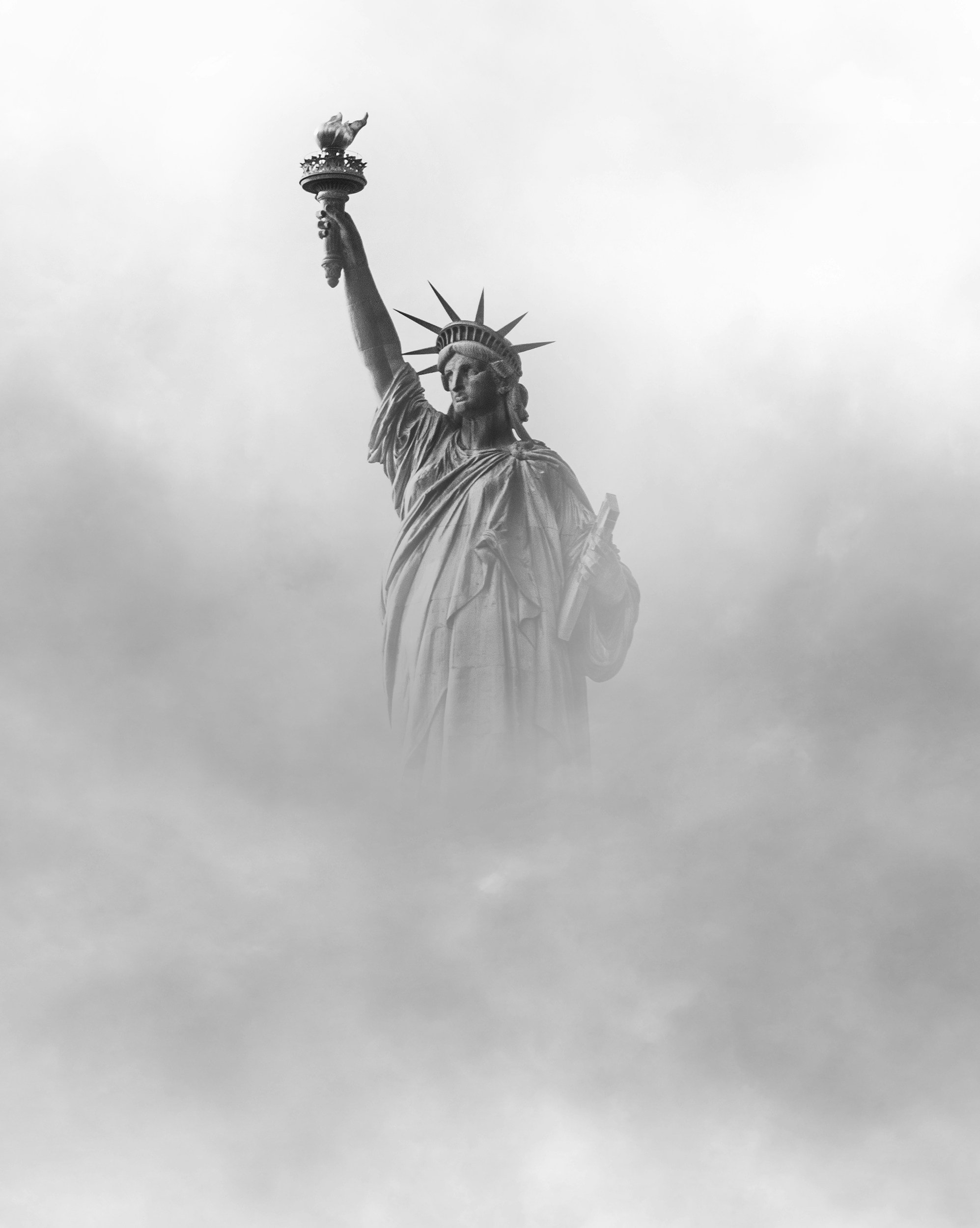
National belonging was most frequently described as a feeling of being proud to be an American. Many respondents described the importance of symbols and gestures as prompting these feelings of pride. For example, one respondent shared, “I truly felt I belonged in the US when our cruise ship sailed past the Statue of Liberty. It made me think of how my mother must’ve felt when she first arrived in America while escaping religious persecution. The experience made me feel proud to be an American living in a country that welcomed my family to its shores (Woman, 64).”
Elections, polling places, and having the right to vote were also related to national belonging. One respondent reflected, “National elections make me feel a sense of belonging. Americans coming together with shared beliefs and values and attempting to express them, no matter the nature of them, demonstrates the greatness of this country and reminds me of the fact that America is worth fighting for, no matter where you land on the political or ideological spectrum” (Man, 33). Another said, “I feel good when I vote. I feel I have a voice in local, state, and national government. I hope the person I voted for wins, but if he/she doesn't win, I hope the person who does will do the right thing” (Man, 64). The community members who volunteer as poll workers are also important to creating a sense of national belonging. As this respondent shared, “When I vote in elections I feel like I truly belong. The poll workers seem happy to see me and greet me. The sticker saying, ‘I Voted’ gives me pride. I am part of something bigger than just me” (Woman, 70).
Experiences serving in the military or honoring veterans through parades or everyday kindnesses were also associated with national belonging. For example, one veteran shared, “When I was in the US military service, stationed in Germany, I felt very proud meeting different Americans from other states and backgrounds” (Man, 86). Seeing support for veterans, especially across lines of difference, also evoked feelings of national belonging and pride. As one respondent shared,
I was in a store recently and an older gentleman wearing a Vietnam Vet hat was having trouble with his electric wheelchair. Several people —of various ages and ethnicities— were helping him maneuver it and with his purchases. No questions or confrontations about politics, race, or vaccination status. It made me happy and reminded me not to listen to mainstream media. (Woman, 56)
As devastating as the September 11, 2001 attacks were, several respondents also described remembering how proud they were to see people supporting each other. One respondent said, “On 9/11, I felt like, for once, everyone was on the same side and everybody was looking out for each other. I saw people of all colors and ages comforting each other as we all tried to make it home safely. That day it didn't matter if you were Black, White, Asian. It mattered that we all had a shared trauma and all needed recovering from that” (Woman, 32). While 9/11 was a moment of national belonging for many respondents, we must note that the rapid increase in Islamophobia and the scapegoating of Muslim, Arab, Sikh, and other communities, also resulted in 9/11 being a profound moment of exclusion and othering for many Americans.
Beyond pride, national belonging was associated with feeling connected to others across the nation, and especially across differences. Many respondents talked about feeling national belonging when they were able to express their opinions about religion, politics, and world events freely to people who often did not agree with them. Being able to disagree and grapple with difficult topics while still feeling respected and heard was an important part of feeling national belonging. As one respondent shared, “I was having a religious discussion in a group of men. While many disagreed with me, they supported me as part of the group and I felt encouraged despite our disagreements” (Man, 74).
Another respondent shared, “I have traveled and lived in different parts of the country and always felt comfortable with any and all of the people I met on the streets of America. People being kind and helpful to one another regardless of race or culture is what America is known for and it makes my heart happy” (Woman, 60).
In a bittersweet reflection, one respondent shared, “I always feel like I am American, I was born here. I am proud of our country always, even if it disappoints me at times. It seems we take one step forward and two steps back most of the time” (Man, 34). The complexity of feeling both pride and disappointment was not a rare one. In the next section we review what it feels like when we lack belonging in the nation we call home.
No Place to Call Home:
Lacking National Belonging is Experienced as being
Rejected from your Homeland
When respondents shared times when they felt a lack of national belonging or even exclusion, it was most frequently related to negative interactions with members of their community and with American policies or systems. Respondents described being bullied or discriminated against in public spaces, particularly around their race or political affiliation. There was also a sense of being generally anxious and on high alert because they never knew when someone was going to treat them badly. When policies or bureaucracy interfered with a respondent’s ability to get the help and services that they needed, there was also a shared sentiment that the country as a whole no longer cared about them.
Lacking national belonging was most frequently experienced as a feeling of disconnect between respondents and American ideals and norms. For example, America is widely viewed as a place of religious tolerance, and yet respondents from across faith traditions described scenarios in which they experienced bullying, prejudice, discrimination, or violence for their beliefs. One respondent shared, “There were a lot of times growing up when I didn't feel like I belonged at school because kids would tease me or not understand certain things that I ‘could or could not do’ because of my religion”(Woman, 31). Another said, “I feel marginalized every time there is an incident of antisemitism, especially the recent arson at a synagogue near my town. Hatred always makes me sad and fearful that the USA is turning into Nazi Germany” (Woman, 62). As mentioned above, while 9/11 inspired national belonging for many, it also was a time of severe othering and discrimination for others. As this respondent described, “After 9/11, it felt like Islamophobia was part of our national identity. I did not belong. I felt outcast, unincluded, afraid, confused” (Man, 40).
Experiencing racial prejudice or discrimination was also frequently mentioned as evoking a lack of national belonging. Respondents from across racial backgrounds described how alienated and demeaned they felt when they were differently or poorly treated due to their race. For example, one respondent described a frequent occurrence, “When people ask where I am from when they see my name or start guessing countries I might be from it makes me feel disrespected and like an outsider in my own home” (Woman, 25). Another reflected, “Because of my Mexican heritage I often am made to feel like I do not belong. I have been looked at as less than while shopping, dining out, in the general public. Prejudice is still alive in our country” (Woman, 25). This respondent shared a sense of missed opportunity due to their difficulty navigating racially diverse situations. They said, “Just about everyone in my hometown was white, Catholic, and middle-class. When I started living in a college town an hour away, I realized I was missing a ‘normal’ American upbringing. I feel weird and different. I still do not know how to properly interact with people who aren't like me. I wish I had been exposed more to people of different backgrounds growing up” (Woman, 30).
Current national events and attitudes or fears surrounding them, often affected how respondents experienced national belonging or its lack. For example, this respondent recalled how he was treated on campus after serving in the military, “After returning from Vietnam I was taunted at and treated rudely while in uniform, even spit at. I felt sad, angry, and less than valued. I should have been treated with the same respect as any other student” (Man, 79). Another recalled how they were treated during the pandemic, “I noticed that a white family was staring at me and keeping their distance. I heard them mumble racial slurs about me and tell their kids how they should stay away from me in case I "infect" them. I felt less than human” (Woman, 21). The attack on the Capitol on January 6th also evoked a sense of lacking national belonging and general disappointment with America as whole. As this respondent shared, “I was horrified during the January 6th insurgence, and I did not feel like those people represented American values or my values whatsoever. It made me angry, sad, and ashamed to be an American” (Woman, 66).
Respondents who experienced a lack of national belonging often described feeling abandoned or left behind by America’s political landscape and social policies. Whether it was difficulty meeting basic needs currently, or concerns about the future, respondents often described feeling like the government did not care about them or their needs. For example, this respondent shared, “As an elderly white male, I have been disregarded and left behind. After working hard my entire life to be able to retire, I now find my savings quickly being depleted. Social security is supposed to go up 6% next year, but Medicare is to go up 14%. How can I possibly live under these conditions when the government is bent on destroying everything I've worked for” (Man, 76). Another said, “I am poor and living far below poverty level and applying for help and being blindly denied and treated poorly by those who have it far better than me. The system assumes that everyone is lying. Those who need the most get the least (Man, 66). National politics and polarization between political parties, unsurprisingly, contributed to a sense of not belonging in America. As one respondent reflected, “The hateful rhetoric and partisanship has increased dramatically, and ignorance and social defiance have become mainstream. I feel disappointed in my country and its people” (Man, 35).
We were struck by how similarly Americans experienced national belonging, and not belonging, regardless of their own backgrounds and beliefs. We experience national belonging when we feel proud to be American, when our policies represent our interests and when we feel we are treated with dignity and respect for our shared humanity. According to these respondents, rising polarization and the pervasive “us versus them” rhetoric is not reflective of real America. Americans listen to each other and respectfully disagree. They resolve their differences through peaceful protest and voting and we hope you will too. This concludes our Stories of Belonging in Real Life Series. Want to stay connected? Contact us here or for questions please email us at belonging@projectoverzero.org.
Thank you for reading. Check out the other stories in this series...
