

Chosen Connections: Stories of Belonging in Real Life Friendships
Key Takeaways
Experiencing friendship belonging, and not belonging, is very similar to that of family belonging. Friends are the family we choose.
Friends are often there for us when our family cannot be, providing deep emotional and tangible support.
Friends are inclusive and think of each other even in each other’s absence.
When belonging is lacking in friendships, the relationships may be re-evaluated as never having been true friendships at all.
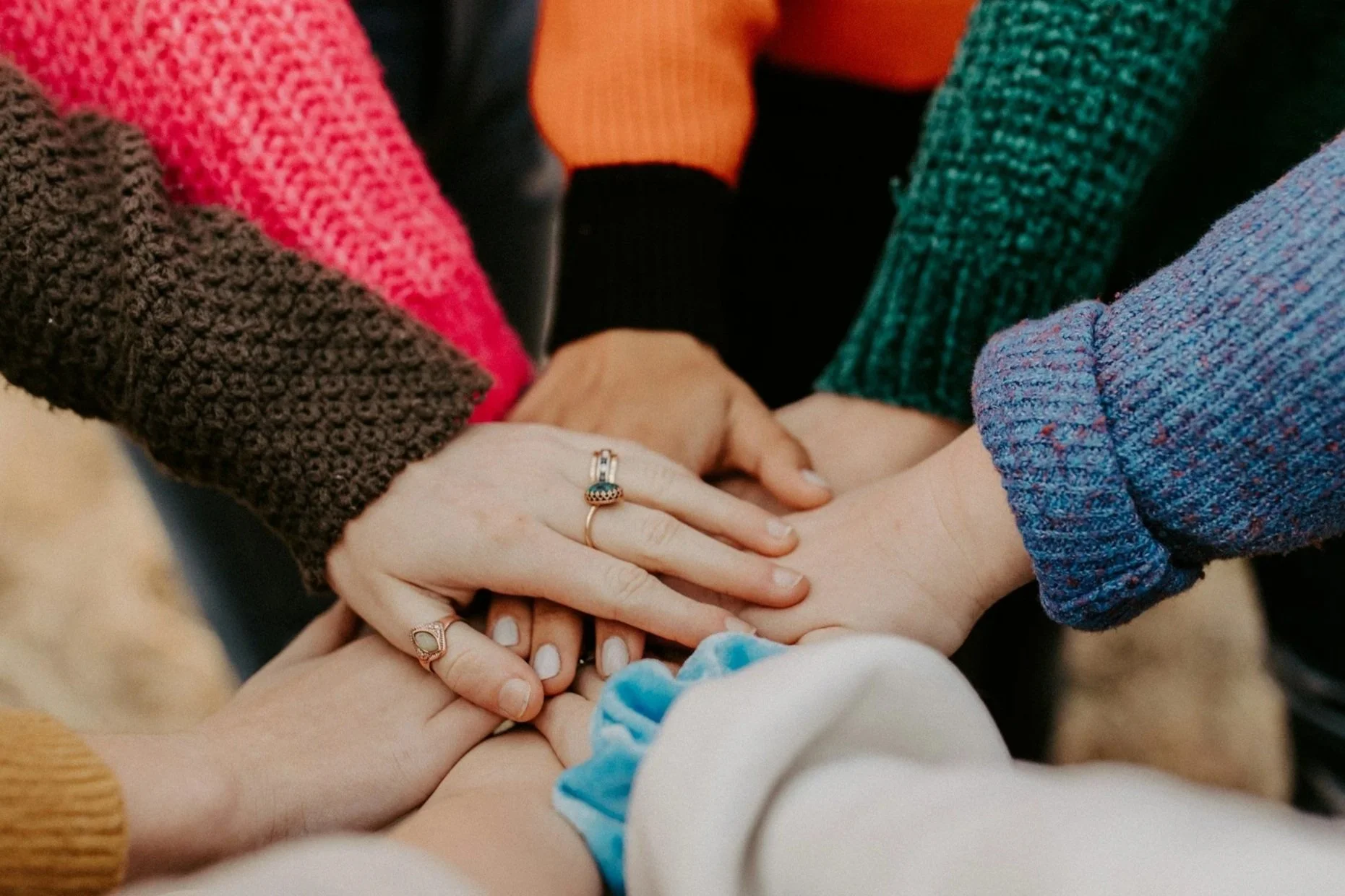
Bonded:
Friendship Belonging is Experienced as Inclusion and Care
Non-familial relationships often provide us with the support and care that we may not be able to access in our families of origin. One notable observation was that when respondents were asked to describe a time that they felt a lack of friendship belonging, they tended to re-evaluate their relationships. In friendship settings, because these relationships are chosen and optional, when someone experiences a lack of friendship belonging they often conclude that those that excluded them were never really their friends after all. True friends would never make you feel like you did not belong.
Most of the situations in which respondents experienced friendship belonging included being able to spend quality time together. These situations were far-ranging, from parties and concerts, to work and/or school projects, to trips and hiking, to just having meaningful conversations at home. Where or how the time was spent was not nearly as important as being together. Respondents also frequently described experiencing belonging when they were able to help or be helped by their friends. Help was also described broadly, ranging from emotional support in times of crisis, to tangible or monetary support during hardships, and help with everyday life. Friends are those you can count on in your time of need, and who can also count on you.
Friendship belonging, similar to family belonging, was most frequently described as a feeling of being wanted or loved. Friends are often present when family cannot or will not be. One respondent shared a small but kind gesture from a friend stating, “I was with my friend and he bought me coffee because I didn't have my wallet. He said, ‘you're my best friend, I got you.’ I felt wanted and loved. I don't have a lot of family that I am close to. My friends are my family” (Man, 28).
Holidays were another time in which friends might step in to support one another. One respondent shared, “I was given a home cooked dinner on Thanksgiving Day. My friend brought it over as a surprise to me. I felt humbled and accepted and loved” (Man, 60). Another described a similar holiday experience sharing, “I was invited to Christmas dinner with my friends in Phoenix when I was away from my family. It made me feel loved because they cared about my Christmas experience” (Man, 54).
Respondents did not only offer times of merriment, they also shared when they had been called upon during times of hardship. For example, one respondent shared, “My neighbor had a stroke and called me to come help her at her house. She did not call her family or medical personnel– I made those calls. Now she tells everybody that I saved her life. I am humbled that she thought so much of me that she would trust me with caring for her” (Woman, 74). Humility was a recurring theme, respondents often described feeling honored to be held in such high regard and trusted so deeply.
Intentionally being included was also a big part of feeling wanted and loved. One respondent reflected:
I had gone for a soda and my friends were taking a group photo. Someone noticed that I wasn't there, and they went looking for me so that I could be included. It made me feel that they were looking out for me and wanted me there. It made me feel happy and to this day, more than 65 years later and many miles apart, many of us are still friends. (Woman, 82)
Feeling connected and part of a greater whole was also a prominent experience in friendship belonging. One respondent described how finding spaces of connection in adulthood harkened back to the ways they were able to connect as a child, “When I first started doing community theater and had my first opening night– it felt really good to be a part of such a large, shared experience, to feel close to people who had all been through the same thing. The only other place I'd gotten that was in youth sports years earlier” (Man, 42). Feeling like part of a team, even informally, was often referenced with regard to friendship belonging. As one respondent said, “After school, a whole group of us used to play football in the street. It was so fun working together and competing against one another. I felt part of a team; a group of people I could count on and people knew they could count on me” (Woman, 38).
Ultimately, experiencing friendship belonging just feels good. It’s nice to be thought of even when you’re apart. As this respondent described, “I went to my friend's house to do homework with two other friends and I felt as if I truly belonged because we kept laughing till our stomachs hurt and it was just a good feeling. I felt as if I finally found friends who care about me and not about what my background is. When I was younger, I attended predominantly white schools where I used to have fake friends who would leave me out of many group hangouts and pretend that they didn’t know me in public” (Woman, 18). This experience, while speaking to having found friendship belonging also speaks to some of the recurring themes that emerged when we asked respondents about their experiences of lacking belonging in their friendships: fake friends and challenges around identity.
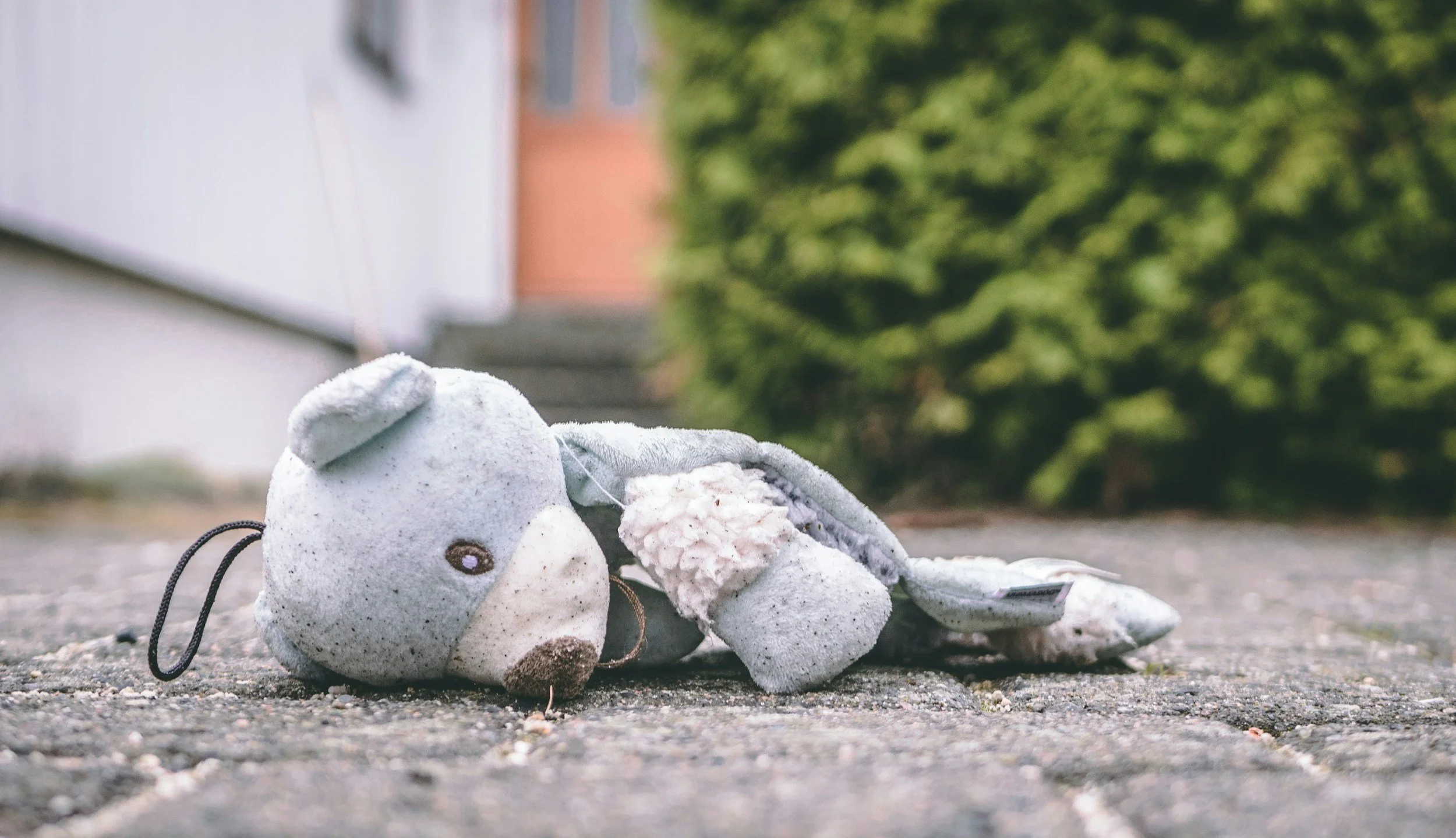
Left Alone:
Lacking Friendship Belonging is Experienced as Being Disconnected and Excluded
Experiencing belonging was essential to friendships. If you don’t feel that you belong with your friends, many respondents suggested that those people simply are not your friends. For those who felt that they had experienced a lack of belonging with their friends, it often had to do with demographic and identity changes. Everyone progresses through life stages at different rates and in different orders. If you feel like, for example, your friends are getting married or having children and you are not, you can lose that sense of belonging and start to feel left behind. Similarly, situations in which respondents felt a lack of friendship belonging often involved feeling excluded by those they viewed as friends. Whether this exclusion was from conversations or activities, feeling like your friends are hanging out without you was consistently associated with a lack of belonging. Beliefs and attitudes can also change over time and a lack of friendship belonging was sometimes attributed to learning that your friends’ thinking about issues of politics or values have diverged from your own in a way that feels irreconcilable.
Lacking friendship belonging was most frequently experienced as a feeling of being disconnected from your friends. At times this was due to not being invited to events. As one respondent shared, “I've been left out from being invited to play games online with my friends/co-workers. I felt like I wasn't a part of the group. I felt like they just assumed because I have a wife and kids that I can never do anything fun. It would have made me feel better if they would have at least invited me even if I couldn't join in” (Man, 35). Another shared, “I was not invited to a friend’s wedding but found out that many other mutual friends were invited. I felt sad and angry because I thought we were closer” (Woman, 59).
At other times, this disconnect can be experienced even when friends are all together, as this respondent experienced, “I have felt like I don't belong when my friends talk about traveling abroad, which I have never been able to do because it is too expensive for me. My friends were talking about travels to Europe and I felt like I did not belong financially and that I am being left behind because of my life choices” (Woman, 42).
The feeling of disconnect sometimes stemmed from personal changes instead of explicitly being let out. For example, this respondent talked about navigating life after his wife’s passing, “I was at a bar with two friends who are both married. After a few beers, both my friends’ wives walked in. I started feeling bad because my wife passed away nine years ago and I missed her badly. I felt out of place in that group because they were all having a good time with each other and I was alone” (Man, 69).
When experiencing a lack of friendship belonging, respondents often described feelings of sadness and hurt. For example, one respondent described their friends’ response to their declining health, “When I was diagnosed with Huntington’s Disease, many of my friends just stopped coming over and stopped calling because they thought that I wasn’t worth being around anymore. It hurt me and made me feel like a freak especially when I had trouble walking and talking” (Woman, 58).
Another respondent described how their friends reacted to their sobriety, “I worked at a bar/restaurant for nearly 8 years. I quit drinking and demoted myself from server/cocktail waitress to hostess. Prior to quitting drinking, I fit in quite well, but after I quit, I stopped being invited out, and they all slowly drifted away. I have mixed feelings. It makes me sad because I lost some good “friends,” but I question if they were even true friends to begin with” (Woman, 31).
Ultimately, lacking belonging with friends was described as feeling like they had left you behind or no longer cared enough to take an interest. With friends, you can grow together or grow apart. We invite you to reflect on what belonging in your friendships looks like. Is there someone you haven’t reached out to in a while? Do you need some support right now? Is there someone in your neighborhood, online, or at your job that you could lean on? Sometimes we can find friends in unexpected places.
Thank you for reading. Check out the other stories in this series...
